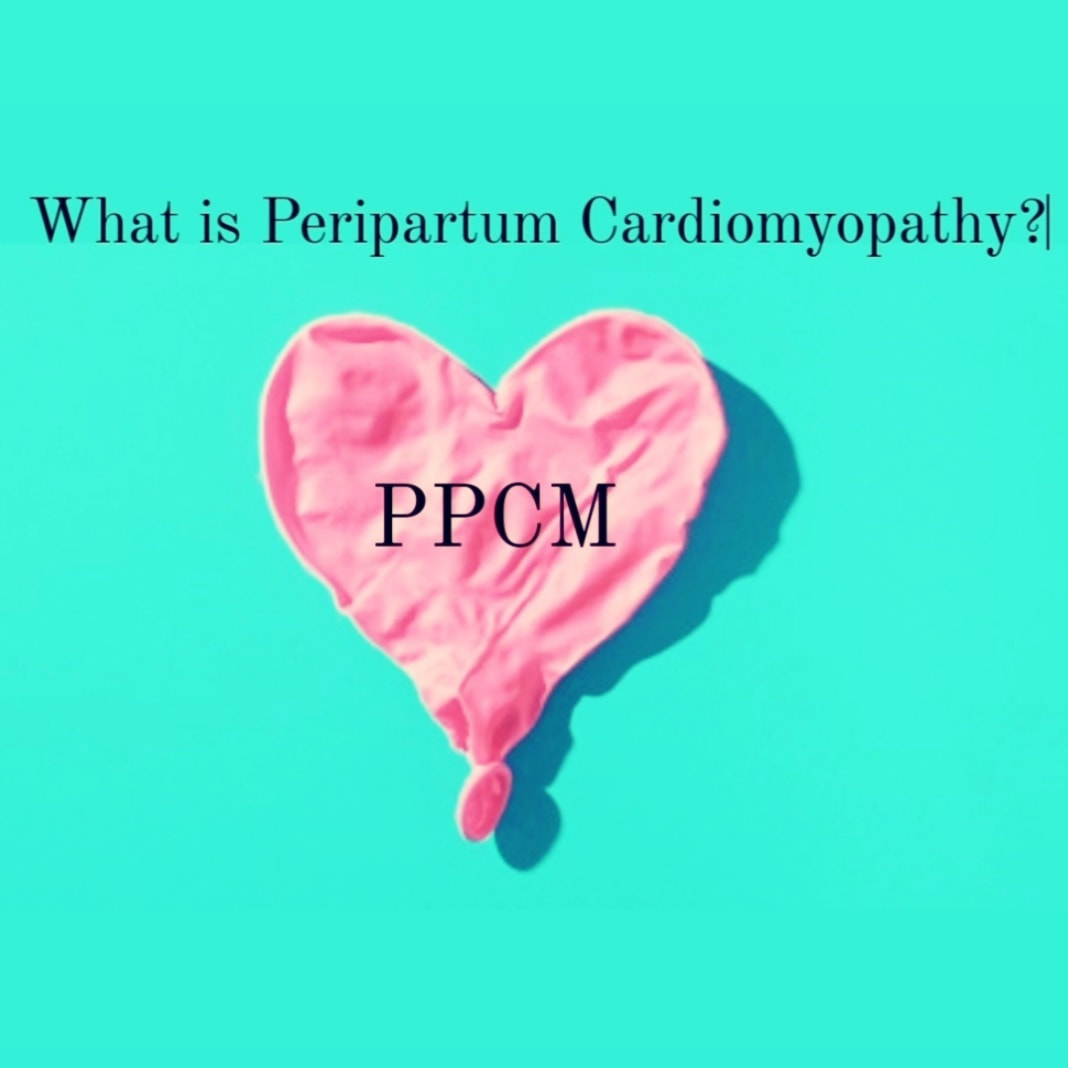
Peripartum Cardiomyopathy (also known as Postpartum Cardiomyopathy) is an uncommon form of heart failure that happens during the last month of pregnancy or up to several months after giving birth.
Heart disease is a leading cause of death for women and kills approximately 1 in 5 women each year. However, black women are at greater risk for various reasons.
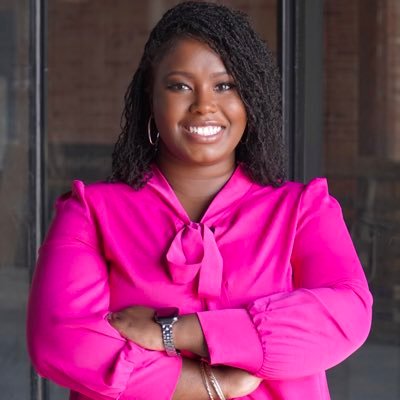
This week's guest blog comes from Charity Watkins, Assistant Professor in the Department of Social Work at North Carolina Central University, Outpatient Clinical Therapist and the Chair of Equity Before Birth's Board of Directors. A six year PPCM survivor, Mrs. Watkins shares her triumphant story to healing and advocacy.
Heart disease is a leading cause of death for women and kills approximately 1 in 5 women each year. However, black women are at greater risk for various reasons.
This week's guest blog comes from Charity Watkins, Assistant Professor in the Department of Social Work at North Carolina Central University, Outpatient Clinical Therapist and the Chair of Equity Before Birth's Board of Directors. A six year PPCM survivor, Mrs. Watkins shares her triumphant story to healing and advocacy.
1. Tell me about yourself.
My name is Charity Watkins and I'm a Black woman serving in numerous roles including as an Assistant Professor in the Department of Social Work at North Carolina Central University, an Outpatient Clinical Therapist, Durham resident, partner to hopefully the next U.S. Representative for NC's 4th district, and most importantly, the mom of a beautiful, inquisitive, spirited 6-year-old little girl. Through all of this, I am also a heart survivor following my heart failure diagnosis almost 6 years ago.
2. Please share your PPCM story.
Overall, I had a pretty uneventful pregnancy healthwise other than being diagnosed with gestational diabetes. I was able to manage that with a change in my diet. However, what was harder to manage were the social and interpersonal challenges I was facing throughout my pregnancy. I was a doctoral student at UNC Chapel Hill who chose to use her time as a student to not only pursue her degree, but also to pursue and promote racial equity on my campus and within my program through student activism. I was quite active in that area, participating in student protests, organizing community dialogues, coordinating efforts with various campus offices, and presenting demands for action to administration; all while dealing with the internalized self-doubt that comes from being a Black first-generation PhD student in a historically white space. And let's not talk about the normal stressors that come along with pursuing the highest degree in my field.
During my last trimester, I dealt with failing my comprehensive exam and then taking my mother-in-law to the hospital for cancer treatment for the last time before she was transitioned to hospice care. My mother-in-law, who I was very close with, died just a week before my due date--the day her first grandchild was supposed to be born. While grieving my mother-in-law, emotionally dealing with my exam failure, and then preparing to enter this new world of motherhood, my daughter decided to delay her debut for 10 days. What was planned as a natural delivery turned into the testing of almost every single delivery intervention, ultimately with my daughter being delivered via an unplanned cesarean section. I was overjoyed she was here but worried about recovery as I experienced severe bleeding in the hospital that required the manual removal of blood clots while I laid in my hospital bed with my sister-in-law holding my infant daughter and my husband holding my hand. I returned home with my baby almost a week after being initially admitted. Two days later, I was attending the memorial service of my mother-in-law--just five days after giving birth.
The first couple months of parenthood were of course tough as sleep became replaced with cluster feedings, cries, swaddling, and diaper changes. I was also still healing from my c-section. Overall, I was tired and stressed. I began to feel down, exhausted, and overall just not good. I told my OB about how I was feeling during my 6-week check-up and was told that much of what I was experiencing was normal but it also could be symptoms of the flu. With the feelings not getting better, I was then referred for counseling to address postpartum depression. I met with a nurse practitioner several times with my baby in tow but I wasn't feeling any better. My symptoms were actually getting worse as I struggled to walk up even a few steps without taking a break, had strong bouts of nausea, lost my appetite, and dealt with a stubborn cough that never would go away. Then, one night while sitting on my bed pumping, I felt an intense pain in my left arm and shoulder. I thought it was just a cramp as the pain went away about 10 minutes later. Three days later on a Saturday night, it happened again and was more intense and lasted longer. I asked my husband to take me to the ER where we went through triage and then we were directed to the waiting room. We sat in the waiting room for 5 1/2 hours before deciding to leave so I could get home to my infant daughter to feed her. My pain had subsided so I thought I was okay for the time being.
On that Monday, I called Campus Health to schedule an appointment and was seen the same day. They did a physical exam and x-rays, which revealed that my heart was enlarged. The doctor then had me rolled down to the same ER I waited in a couple days before to be further examined. After waiting another few hours, I was admitted into the cardiac intensive care unit. This is where I was told that I was suffering from heart failure. My heart was only functioning at around 5% and if just a little more time had passed before receiving treatment, I could have died. While receiving medication treatments in the hospital, I lost over 20lbs in fluid, coded after having a reaction to a heart medication, and had to have my IV administered through my neck to avoid permanent damage to my arm. I also lost precious time with my newborn baby and was no longer able to breastfeed because of my medications. I missed those sleepless nights, those cluster feedings, cries, swaddles, and diaper changes. After two weeks, I was finally discharged and on the road to recovery.
Since my diagnosis, I have completed cardiac rehab, in which I was the youngest, at least half the age of other participants. I made immediate changes to my diet to reduce my sodium intake. I'm now taking medications that I will likely be on for the rest of my life. But, I'm here.
3. What were the hardest parts of your health care journey, both personally and professionally?
The hardest parts of my healthcare journey was not getting the answers that I needed right away, which I learned later on could have resulted in me losing my life. I wasn't told that cardiovascular disease was something that could arise from pregnancy, especially among women who were diagnosed with gestational diabetes. I was showing classic signs of heart failure but wasn't diagnosed with it until it was almost too late. Personally, this was devastating especially thinking about the fact that my husband could have lost me just four months after losing his mother. My daughter could have been forced to grow up without me despite me seeking medical care for my symptoms early on. Professionally, as a researcher, I would see literature that focused on individual-level mediators of health, where blame for illness was often placed on individuals' behaviors, especially individuals who looked like me. But here I was doing everything right, communicating with my healthcare providers, being clear about the symptoms I was experiencing, using my educational background and PhD student status to advocate for myself, yet, I was so close to facing the same fate faced by Black women without the same privileges as me.
4. What did you learn about yourself and your support system while recovering and getting healthy again?
During my treatment and recovery, I learned that I am stronger than I realized. I was able to overcome what felt like insurmountable challenges to become a nurturing mom, a dedicated partner, a competent professor, and a resilient PhD candidate. I learned that my network of support was wider than I realized as well wishes, donations, meal trains, and help with household chores came from friends, family, colleagues, and faculty members. Literally, professors who were grading my papers a year before were now helping me to do laundry. I was grateful for everyone who cared enough about me to want to help me get better.
5. What do you want others to know about PPCM?
The most important points about PPCM that I want people to know are the symptoms and risks. Heart failure is one of the leading causes of maternal mortality yet birthing persons aren't provided with information about the signs, symptoms, and warning signs to look for during pregnancy, delivery, and postpartum. I want folks to know that not being able to go up five steps without taking a break is not normal after childbirth. Not being able to lay flat on a pillow is not normal after childbirth. Having extreme swelling in your body is not normal after childbirth. Pains in your chest are not normal after childbirth. And don't let anyone tell you that they are.
6. Where do you see yourself in 5 years?
In five years, I see myself continuing to thrive as a heart survivor. I see myself doing meaningful work to help other Black individuals who have faced the threat of death while giving life. I see myself conducting research with Black birthing persons to inform the development of pregnancy screening tools for PPCM to be administered during prenatal visits and developing peer support networks for Black birthing persons to address the trauma that comes along with having such serious life-threatening medical events during pregnancy, delivery, or after childbirth. I want to address the mental health needs of others like me.
7. What advice do you have for anyone who may not trust health care providers and don't receive regular check ups?
The advice I would provide to someone who may not trust health care providers and who don't receive regular check-ups is to not sacrifice your access to life-saving medical treatment because of your distrust of healthcare providers. Trust is something that must be earned but we also must demand it; not avoid it. The most effective way to change systems is to learn how they function and advocate for equity, but we must engage with these systems in some capacity to get a sense of what actually needs to change and how it can change for the better.
8. Who do you look up to or admire in the womb health and wellness community?
I look up to folx like Joy Spencer, Executive Director of Equity Before Birth, who is directly connecting with families to address the harms caused by socioeconomic equities. I admire her dedication and commitment to relying on the experiences and stories of Black birthing persons to guide her work and the mission of EBB. I am grateful to work alongside her as a member of the Board of Directors. I learn so much from her and the EBB team and look forward to supporting their work any way that I can.
9. What do you hope Black Maternal Health and health equity looks like in the future?
In the future, I hope Black Maternal Health looks like the Black women and babies being viewed as worthy of care, concern, and equal treatment. I want Black mothers to be able to focus on the gift of becoming mothers without having to worry about racial bias, discrimination, and experiencing race-based violence in the form of denial of equitable medical treatment. I hope health equity comes in the form of outcomes for Black birthing persons but also in the form of outcomes in healthcare provider racial representation, equitable healthcare policies and practices, equitable access to healthcare before and after childbirth, and effective structures of accountability for when systems do not model what is written in their missions and diversity statements.
10. Tell me about your work and role with Equity Before Birth.
I learned about Equity Before Birth a year ago after seeing Joy's amazing work in the community. When the opportunity became available for me to get involved with the organization, I jumped at it. I now serve as the Board of Directors Chair to ensure EBB realizes its mission and saves lives of Black birthing persons and infants.
To learn more about PPCM, visit www.letstalkppcm.org.
My name is Charity Watkins and I'm a Black woman serving in numerous roles including as an Assistant Professor in the Department of Social Work at North Carolina Central University, an Outpatient Clinical Therapist, Durham resident, partner to hopefully the next U.S. Representative for NC's 4th district, and most importantly, the mom of a beautiful, inquisitive, spirited 6-year-old little girl. Through all of this, I am also a heart survivor following my heart failure diagnosis almost 6 years ago.
2. Please share your PPCM story.
Overall, I had a pretty uneventful pregnancy healthwise other than being diagnosed with gestational diabetes. I was able to manage that with a change in my diet. However, what was harder to manage were the social and interpersonal challenges I was facing throughout my pregnancy. I was a doctoral student at UNC Chapel Hill who chose to use her time as a student to not only pursue her degree, but also to pursue and promote racial equity on my campus and within my program through student activism. I was quite active in that area, participating in student protests, organizing community dialogues, coordinating efforts with various campus offices, and presenting demands for action to administration; all while dealing with the internalized self-doubt that comes from being a Black first-generation PhD student in a historically white space. And let's not talk about the normal stressors that come along with pursuing the highest degree in my field.
During my last trimester, I dealt with failing my comprehensive exam and then taking my mother-in-law to the hospital for cancer treatment for the last time before she was transitioned to hospice care. My mother-in-law, who I was very close with, died just a week before my due date--the day her first grandchild was supposed to be born. While grieving my mother-in-law, emotionally dealing with my exam failure, and then preparing to enter this new world of motherhood, my daughter decided to delay her debut for 10 days. What was planned as a natural delivery turned into the testing of almost every single delivery intervention, ultimately with my daughter being delivered via an unplanned cesarean section. I was overjoyed she was here but worried about recovery as I experienced severe bleeding in the hospital that required the manual removal of blood clots while I laid in my hospital bed with my sister-in-law holding my infant daughter and my husband holding my hand. I returned home with my baby almost a week after being initially admitted. Two days later, I was attending the memorial service of my mother-in-law--just five days after giving birth.
The first couple months of parenthood were of course tough as sleep became replaced with cluster feedings, cries, swaddling, and diaper changes. I was also still healing from my c-section. Overall, I was tired and stressed. I began to feel down, exhausted, and overall just not good. I told my OB about how I was feeling during my 6-week check-up and was told that much of what I was experiencing was normal but it also could be symptoms of the flu. With the feelings not getting better, I was then referred for counseling to address postpartum depression. I met with a nurse practitioner several times with my baby in tow but I wasn't feeling any better. My symptoms were actually getting worse as I struggled to walk up even a few steps without taking a break, had strong bouts of nausea, lost my appetite, and dealt with a stubborn cough that never would go away. Then, one night while sitting on my bed pumping, I felt an intense pain in my left arm and shoulder. I thought it was just a cramp as the pain went away about 10 minutes later. Three days later on a Saturday night, it happened again and was more intense and lasted longer. I asked my husband to take me to the ER where we went through triage and then we were directed to the waiting room. We sat in the waiting room for 5 1/2 hours before deciding to leave so I could get home to my infant daughter to feed her. My pain had subsided so I thought I was okay for the time being.
On that Monday, I called Campus Health to schedule an appointment and was seen the same day. They did a physical exam and x-rays, which revealed that my heart was enlarged. The doctor then had me rolled down to the same ER I waited in a couple days before to be further examined. After waiting another few hours, I was admitted into the cardiac intensive care unit. This is where I was told that I was suffering from heart failure. My heart was only functioning at around 5% and if just a little more time had passed before receiving treatment, I could have died. While receiving medication treatments in the hospital, I lost over 20lbs in fluid, coded after having a reaction to a heart medication, and had to have my IV administered through my neck to avoid permanent damage to my arm. I also lost precious time with my newborn baby and was no longer able to breastfeed because of my medications. I missed those sleepless nights, those cluster feedings, cries, swaddles, and diaper changes. After two weeks, I was finally discharged and on the road to recovery.
Since my diagnosis, I have completed cardiac rehab, in which I was the youngest, at least half the age of other participants. I made immediate changes to my diet to reduce my sodium intake. I'm now taking medications that I will likely be on for the rest of my life. But, I'm here.
3. What were the hardest parts of your health care journey, both personally and professionally?
The hardest parts of my healthcare journey was not getting the answers that I needed right away, which I learned later on could have resulted in me losing my life. I wasn't told that cardiovascular disease was something that could arise from pregnancy, especially among women who were diagnosed with gestational diabetes. I was showing classic signs of heart failure but wasn't diagnosed with it until it was almost too late. Personally, this was devastating especially thinking about the fact that my husband could have lost me just four months after losing his mother. My daughter could have been forced to grow up without me despite me seeking medical care for my symptoms early on. Professionally, as a researcher, I would see literature that focused on individual-level mediators of health, where blame for illness was often placed on individuals' behaviors, especially individuals who looked like me. But here I was doing everything right, communicating with my healthcare providers, being clear about the symptoms I was experiencing, using my educational background and PhD student status to advocate for myself, yet, I was so close to facing the same fate faced by Black women without the same privileges as me.
4. What did you learn about yourself and your support system while recovering and getting healthy again?
During my treatment and recovery, I learned that I am stronger than I realized. I was able to overcome what felt like insurmountable challenges to become a nurturing mom, a dedicated partner, a competent professor, and a resilient PhD candidate. I learned that my network of support was wider than I realized as well wishes, donations, meal trains, and help with household chores came from friends, family, colleagues, and faculty members. Literally, professors who were grading my papers a year before were now helping me to do laundry. I was grateful for everyone who cared enough about me to want to help me get better.
5. What do you want others to know about PPCM?
The most important points about PPCM that I want people to know are the symptoms and risks. Heart failure is one of the leading causes of maternal mortality yet birthing persons aren't provided with information about the signs, symptoms, and warning signs to look for during pregnancy, delivery, and postpartum. I want folks to know that not being able to go up five steps without taking a break is not normal after childbirth. Not being able to lay flat on a pillow is not normal after childbirth. Having extreme swelling in your body is not normal after childbirth. Pains in your chest are not normal after childbirth. And don't let anyone tell you that they are.
6. Where do you see yourself in 5 years?
In five years, I see myself continuing to thrive as a heart survivor. I see myself doing meaningful work to help other Black individuals who have faced the threat of death while giving life. I see myself conducting research with Black birthing persons to inform the development of pregnancy screening tools for PPCM to be administered during prenatal visits and developing peer support networks for Black birthing persons to address the trauma that comes along with having such serious life-threatening medical events during pregnancy, delivery, or after childbirth. I want to address the mental health needs of others like me.
7. What advice do you have for anyone who may not trust health care providers and don't receive regular check ups?
The advice I would provide to someone who may not trust health care providers and who don't receive regular check-ups is to not sacrifice your access to life-saving medical treatment because of your distrust of healthcare providers. Trust is something that must be earned but we also must demand it; not avoid it. The most effective way to change systems is to learn how they function and advocate for equity, but we must engage with these systems in some capacity to get a sense of what actually needs to change and how it can change for the better.
8. Who do you look up to or admire in the womb health and wellness community?
I look up to folx like Joy Spencer, Executive Director of Equity Before Birth, who is directly connecting with families to address the harms caused by socioeconomic equities. I admire her dedication and commitment to relying on the experiences and stories of Black birthing persons to guide her work and the mission of EBB. I am grateful to work alongside her as a member of the Board of Directors. I learn so much from her and the EBB team and look forward to supporting their work any way that I can.
9. What do you hope Black Maternal Health and health equity looks like in the future?
In the future, I hope Black Maternal Health looks like the Black women and babies being viewed as worthy of care, concern, and equal treatment. I want Black mothers to be able to focus on the gift of becoming mothers without having to worry about racial bias, discrimination, and experiencing race-based violence in the form of denial of equitable medical treatment. I hope health equity comes in the form of outcomes for Black birthing persons but also in the form of outcomes in healthcare provider racial representation, equitable healthcare policies and practices, equitable access to healthcare before and after childbirth, and effective structures of accountability for when systems do not model what is written in their missions and diversity statements.
10. Tell me about your work and role with Equity Before Birth.
I learned about Equity Before Birth a year ago after seeing Joy's amazing work in the community. When the opportunity became available for me to get involved with the organization, I jumped at it. I now serve as the Board of Directors Chair to ensure EBB realizes its mission and saves lives of Black birthing persons and infants.
To learn more about PPCM, visit www.letstalkppcm.org.
 RSS Feed