
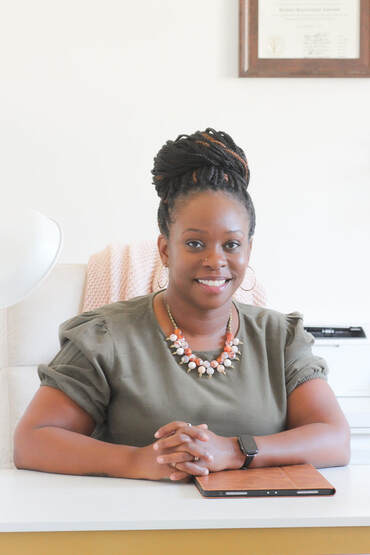
When I became a mother, I was overjoyed to finally have the family I had always dreamed of. But like many new moms, my mental health suffered. I experienced postpartum anxiety and OCD, but I was over a year postpartum before I even had words for what I was going through. As a doula and PSI Blue Dot Ambassador, I am committed to not only helping new moms and families thrive during the fourth trimester and their parenting journey, but also sharing their stories.
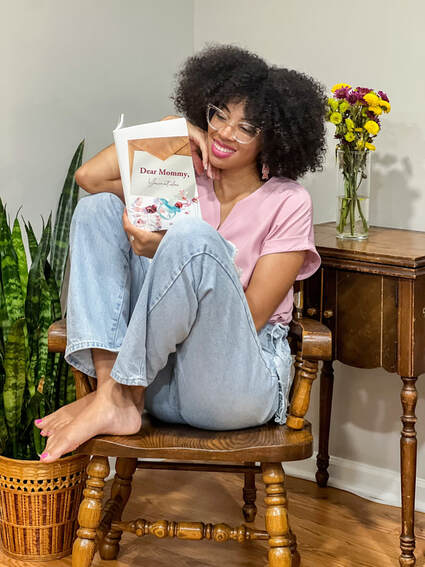
It's Maternal Mental Health Month and I wanted to highlight a local mom who has made great strides to take control of her mental wellness. This week's guest blogger is Lindsey Nicole, a fellow mom, blogger and nutritionist who's goal is to encourage and assist stay-at-moms to turn their passions into profits while balancing motherhood. Lindsey was gracious and brave enough to share each of her postpartum experiences and the steps she took to heal by prioritizing her mental health.
It's Maternal Mental Health Month and I wanted to highlight a local mom who has made great strides to take control of her mental wellness. This week's guest blogger is Lindsey Nicole, a fellow mom, blogger and nutritionist who's goal is to encourage and assist stay-at-moms to turn their passions into profits while balancing motherhood. Lindsey was gracious and brave enough to share each of her postpartum experiences and the steps she took to heal by prioritizing her mental health.
The moment I found out I was pregnant with my first, I immersed myself in all things pregnancy, childbirth, and parenting. My husband at the time and I were actively trying for a baby, happily married, and financially comfortable, so I’d carelessly skim past any mention of postpartum depression, naïvely assuming that I’d be the last person stricken with such a thing.
Three days after my relatively-smooth childbirth, as I sat at home folding freshly-laundered baby clothes, I was overcome with an incredible sense of dread and despair. I broke down in tears, unable to explain why I was even crying. Eventually the wave of despair subsided, and I chalked it up to baby blues.
Day after day, typically in the evenings, I found myself washed over with the deepest, most intense feelings of hopelessness, which would typically subside after an hour or two. I described them as episodes, because I could quite literally feel them approaching. It was as if I could sense a thick cloud of dread creeping towards me until I was completely enveloped. I would often crumble into a heap of tears on the floor as my mom and husband attempted to comfort me, but never to any avail.
I was desperate to avoid medication, yet I was unable to find anything else that alleviated these dreadful episodes. Fortunately, within 2 weeks of beginning an antidepressant that allowed me to continue breastfeeding, I was myself again. Not an artificially-happy, chronically-enthusiastic version of myself, but just me, still struggling with all things newborn, but at least feeling in control of my emotions again.
This same exact scenario played out after my second pregnancy. On the fifth day postpartum, I was hit with that all-too-familiar feeling of debilitating hopelessness once again. I tried, again, to avoid medication, but ended up going back on it.
Once the fog lifted and I was able to dig deeper into what was happening, I made two important realizations. The first was that sleep deprivation, regardless of how normal a part of motherhood, had a particularly profound impact on my emotional well-being. Looking back, I realized that even throughout childhood, I knew to prioritize getting 8 hours of restful sleep, else I’d morph into a completely different person.
The second realization was that there appeared to be a trigger that led to these daily panic attacks, which was undoubtedly rooted in my traumatic childhood. I hadn’t realized, prior to becoming a mom, that my primary coping mechanism was to fool myself into feeling as though I was in control over every aspect of my life. Yet, this sense of control was ultimately handed over to this tiny little being who would now dictate when I could sleep, eat, shower, run errands, etc.
Eventually, my marriage of 14 years ended, I remarried, and we decided to expand our family. I was gripped with fear that I would yet again find myself in that familiar darkness, yet this time my two young children would be there to witness it.
Fortunately, by making some important changes in my third and fourth pregnancies, both prenatal and postpartum, I was able to enjoy a radically different postpartum experience. I requested that my thyroid and Vitamin D levels be monitored more closely and made physical activity part of my everyday routine, especially outdoor walks. I also began seeing a therapist, unwilling, to continue allowing unresolved childhood trauma to affect me.
After welcoming our third child, I also implemented the biggest piece of advice given to me in therapy: I began prioritizing myself. Like most moms, my world revolved exclusively around my children, but I needed to provide myself with the love and care that I so desperately yearned for as a child. I needed to lovingly re-parent myself.
I knew I’d need to find ways to get sufficient sleep, so every evening, I would head to bed early while my husband took over the kids and house. He’d wake me a couple hours later to nurse the baby, and then resume caring for him for another couple hours before heading to bed himself. To say that these blocks of uninterrupted sleep were transformative is an understatement.
I also began setting goals that forced me to set aside time for myself and would provide a sense of accomplishment. Some weeks this simply looked like a long bath once a week or short daily walks, while others tapped into my hobbies and passions, like signing up as a vendor at a local art festival and setting aside some time in the evenings to prepare my paintings.
When our fourth child and final member of our family arrived prematurely, I worked through the trauma of my emergency c-section and our one-month hospital stay by focusing on my passion for helping other moms live healthy, happy lives. I began Mama Gigz, a resource for stay-at-home moms looking for ways to make supplemental income around their busy schedules. This has remained an essential part of my self-care as a busy mom of four, as it provides an ongoing opportunity for me to tap into my creative and entrepreneurial sides while uplifting and supporting others.
If you are facing similar struggles or simply seeking ways to improve your postpartum experience, remember that prioritizing yourself isn’t selfish. It is, in fact, the greatest gift you can give your kids, as your physical and emotional health directly impacts them. Your children deserve love, safety, laughter, enjoyment, fulfillment, and grace. And mama, so do you.
Three days after my relatively-smooth childbirth, as I sat at home folding freshly-laundered baby clothes, I was overcome with an incredible sense of dread and despair. I broke down in tears, unable to explain why I was even crying. Eventually the wave of despair subsided, and I chalked it up to baby blues.
Day after day, typically in the evenings, I found myself washed over with the deepest, most intense feelings of hopelessness, which would typically subside after an hour or two. I described them as episodes, because I could quite literally feel them approaching. It was as if I could sense a thick cloud of dread creeping towards me until I was completely enveloped. I would often crumble into a heap of tears on the floor as my mom and husband attempted to comfort me, but never to any avail.
I was desperate to avoid medication, yet I was unable to find anything else that alleviated these dreadful episodes. Fortunately, within 2 weeks of beginning an antidepressant that allowed me to continue breastfeeding, I was myself again. Not an artificially-happy, chronically-enthusiastic version of myself, but just me, still struggling with all things newborn, but at least feeling in control of my emotions again.
This same exact scenario played out after my second pregnancy. On the fifth day postpartum, I was hit with that all-too-familiar feeling of debilitating hopelessness once again. I tried, again, to avoid medication, but ended up going back on it.
Once the fog lifted and I was able to dig deeper into what was happening, I made two important realizations. The first was that sleep deprivation, regardless of how normal a part of motherhood, had a particularly profound impact on my emotional well-being. Looking back, I realized that even throughout childhood, I knew to prioritize getting 8 hours of restful sleep, else I’d morph into a completely different person.
The second realization was that there appeared to be a trigger that led to these daily panic attacks, which was undoubtedly rooted in my traumatic childhood. I hadn’t realized, prior to becoming a mom, that my primary coping mechanism was to fool myself into feeling as though I was in control over every aspect of my life. Yet, this sense of control was ultimately handed over to this tiny little being who would now dictate when I could sleep, eat, shower, run errands, etc.
Eventually, my marriage of 14 years ended, I remarried, and we decided to expand our family. I was gripped with fear that I would yet again find myself in that familiar darkness, yet this time my two young children would be there to witness it.
Fortunately, by making some important changes in my third and fourth pregnancies, both prenatal and postpartum, I was able to enjoy a radically different postpartum experience. I requested that my thyroid and Vitamin D levels be monitored more closely and made physical activity part of my everyday routine, especially outdoor walks. I also began seeing a therapist, unwilling, to continue allowing unresolved childhood trauma to affect me.
After welcoming our third child, I also implemented the biggest piece of advice given to me in therapy: I began prioritizing myself. Like most moms, my world revolved exclusively around my children, but I needed to provide myself with the love and care that I so desperately yearned for as a child. I needed to lovingly re-parent myself.
I knew I’d need to find ways to get sufficient sleep, so every evening, I would head to bed early while my husband took over the kids and house. He’d wake me a couple hours later to nurse the baby, and then resume caring for him for another couple hours before heading to bed himself. To say that these blocks of uninterrupted sleep were transformative is an understatement.
I also began setting goals that forced me to set aside time for myself and would provide a sense of accomplishment. Some weeks this simply looked like a long bath once a week or short daily walks, while others tapped into my hobbies and passions, like signing up as a vendor at a local art festival and setting aside some time in the evenings to prepare my paintings.
When our fourth child and final member of our family arrived prematurely, I worked through the trauma of my emergency c-section and our one-month hospital stay by focusing on my passion for helping other moms live healthy, happy lives. I began Mama Gigz, a resource for stay-at-home moms looking for ways to make supplemental income around their busy schedules. This has remained an essential part of my self-care as a busy mom of four, as it provides an ongoing opportunity for me to tap into my creative and entrepreneurial sides while uplifting and supporting others.
If you are facing similar struggles or simply seeking ways to improve your postpartum experience, remember that prioritizing yourself isn’t selfish. It is, in fact, the greatest gift you can give your kids, as your physical and emotional health directly impacts them. Your children deserve love, safety, laughter, enjoyment, fulfillment, and grace. And mama, so do you.

Mother of four, blogger, and digital creator, Lindsey Nicole, is making waves in the blogging world as she shares her journey of balancing motherhood and entrepreneurship. Her budding blog, Mama Gigz, aims to provide busy stay-at-home moms with inspiration and practical tips on starting flexible, profitable side hustles. Lindsey's passion for helping fellow moms also shines through in her genuine, relatable guest blog posts on parenting, traveling, and health and wellness.
Be sure to follow Lindsey on Instagram, Tiktok and Facebook!
Be sure to follow Lindsey on Instagram, Tiktok and Facebook!



 RSS Feed