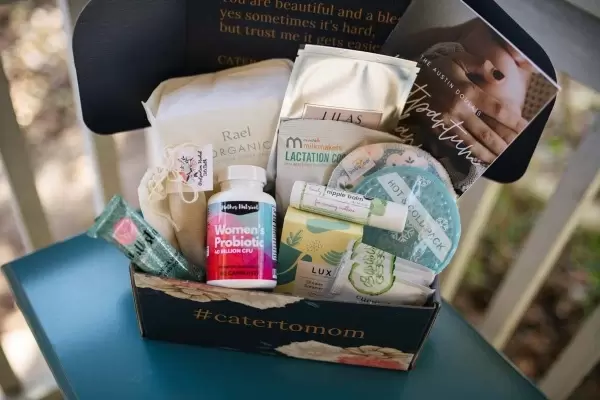
Cater to Mom subscription box
Becoming a mother or parent is a very important time in one's life and it deserves a grand level of celebration. And with celebration comes gifts, right? But what should one get a new mom? What is appropriate? What will make the greatest impact but also show that you care?
There are so many modern products and gadgets that seem useful, but in reality are useless and can prove to disrupt the parents' physiological response to addressing their baby's needs. Subscription boxes are a great solution to the abundant needs that come with pregnancy and parenthood. From self care items to diapers to postpartum products, subscription boxes can be the perfect gift for new parents during this life-changing transition.
Each one of the subscriptions boxes listed below offer a variety of products and gifts for moms and some for the entire family. They include a brief description and are categorized for your convenience.
Be sure to check out the Mother's Day offers & discounts these subscription boxes are currently offering!
There are so many modern products and gadgets that seem useful, but in reality are useless and can prove to disrupt the parents' physiological response to addressing their baby's needs. Subscription boxes are a great solution to the abundant needs that come with pregnancy and parenthood. From self care items to diapers to postpartum products, subscription boxes can be the perfect gift for new parents during this life-changing transition.
Each one of the subscriptions boxes listed below offer a variety of products and gifts for moms and some for the entire family. They include a brief description and are categorized for your convenience.
Be sure to check out the Mother's Day offers & discounts these subscription boxes are currently offering!
General
Bump Boxes-safe and healthy products delivered to moms monthly. (very popular)
The Stork Bag- luxury boxes designed to pamper moms-to-be
Ecocentric Mom-boxes for the eco-friendly mom/family
Mama Bird Box- a one-time box for pregnant & new moms customized for her health and wellbeing
Oh Baby Boxes- custom, high quality boxes for pregnancy & postpartum (1, 3 and 6 month plans, very popular)
DoulaBox-quarterly box curated by a doula for each trimester, including the fourth trimester
PreggoBox-luxury gifts for expecting and postpartum moms using handcrafted gift items from Canadian vendors
The Belly Bundle-boxes with healthy products, maternity apparel and must-haves for motherhood (1, 6, 9 and 12 month subscription options)
Happy Mango-boxes that include items for care for mom, for baby, clothing, blankets, snacks and more (1, 3, 6 and 9 month options)
Rumbly-exclusive pregnancy gifts and boxes curated for the woman you are and the mom you're becoming
Nurtured 9- elevated gift boxes filled with luxurious, non-toxic, and pregnancy-safe products across beauty, mind, and body designed to pamper new moms and moms-to-be
Babylist Hello Baby Box-one time welcome box for expectant moms, free when you create a registry
Hey Milestone-one-time pregnancy sample box for new moms (formerly Noobie Boxes)
Diaper
Honest-diapers, wipes and other items to build your own bundle
Hello Bello-hypoallergenic diapers, freebie with your 1st bundle
Dyper-disposable and cloth diapers, training pants
Abby&Finn- eco-friendly diapers, wipes and premium essentials, free shipping
Target-wide variety of diapers to choose from
Amazon-wide variety of diapers and baby products to choose from
MadeOf-NSF organic baby skincare and diapers (vegan, gluten-free, no GMOs and made in USA)
Parasol-natural, eco-friendly diapers and baby products (great for sensitive skin)
Bungies-one-size fits all, eco-friendly, water resistant cloth diapers
ECO by Naty-eco-friendly diapers and products
Eco Pea-highly rated, eco-friendly, hypoallergenic bamboo diapers and biodegradable bamboo wipes
Happy Little Camper-biodegradable, 100% natural diapers and wipes made with hypoallergenic cotton and contain pure and healthy ingredients good for baby’s sensitive skin
Meals, Snacks & Treats
Hungryroot-customized healthy foods and recipes
Mother Snacker-hand-picked decadent treats & beautifully designed goods to encourage, inspire & spoil moms
The Candy Club-curated selection of delectable candies delivered monthly
Nightfood-sleep-friendly snacks, great for pregnant and postpartum moms (not a subscription)
Health & Beauty
Ritual Essential Prenatal Multivitamin-prenatal with 12 key nutrients for before and during pregnancy (very popular)
Perelel Health Vitamins & Supplements-the first & only OB/GYN-founded prenatal vitamin (women's and men's supplements, preconception, fertility, pregnancy postpartum support)
The Detox Box-skincare, makeup, body, hair and general wellness supplements and products
Beauty Heroes-quality, full sized clean beauty products
Fashion
Stitch Fix Maternity-personalized maternity clothing by trimester (no subscription required)
Le Tote Maternity-maternity clothing for rent with option to keep at a discounted price
Family
The Rad Dad-box for new dads
Bitsy Boxes-monthly delivery of products tailored to your child age 0-3 years old (monthly and annual pricing)
Moms + Babes Box-essentials for baby and must-haves for mom delivered seasonally
Postpartum
Cater to Mom-boxes with 5 -7 full-sized, hand-picked postpartum care essentials to support the postpartum journey
Birth in Color RVA-doula curated box that caters to the needs of parents during the fourth trimester. boxes include postpartum recovery essentials, beauty or bath products, teas, healthy snacks, books, self care tips and helpful care resources. Each box contains 6-8 items.
MOMBOX-custom care kits for new moms
Sunflower Motherhood-boxes to help support women throughout pregnancy and motherhood (products and apparel)
Dollar Maxi Pad-products and supplies to support healing and recovery in the fourth trimester
Breastfeeding
Cratejoy Breastfeeding Boxes-boxes that consists of items to support lactation and mom's mental wellness/self-care (quarterly and monthly options)
Other
Force of Nature-all natural household cleaners and products
Grove Collaborative-sustainable cleaning/home, personal care and wellness products
Bump Boxes-safe and healthy products delivered to moms monthly. (very popular)
The Stork Bag- luxury boxes designed to pamper moms-to-be
Ecocentric Mom-boxes for the eco-friendly mom/family
Mama Bird Box- a one-time box for pregnant & new moms customized for her health and wellbeing
Oh Baby Boxes- custom, high quality boxes for pregnancy & postpartum (1, 3 and 6 month plans, very popular)
DoulaBox-quarterly box curated by a doula for each trimester, including the fourth trimester
PreggoBox-luxury gifts for expecting and postpartum moms using handcrafted gift items from Canadian vendors
The Belly Bundle-boxes with healthy products, maternity apparel and must-haves for motherhood (1, 6, 9 and 12 month subscription options)
Happy Mango-boxes that include items for care for mom, for baby, clothing, blankets, snacks and more (1, 3, 6 and 9 month options)
Rumbly-exclusive pregnancy gifts and boxes curated for the woman you are and the mom you're becoming
Nurtured 9- elevated gift boxes filled with luxurious, non-toxic, and pregnancy-safe products across beauty, mind, and body designed to pamper new moms and moms-to-be
Babylist Hello Baby Box-one time welcome box for expectant moms, free when you create a registry
Hey Milestone-one-time pregnancy sample box for new moms (formerly Noobie Boxes)
Diaper
Honest-diapers, wipes and other items to build your own bundle
Hello Bello-hypoallergenic diapers, freebie with your 1st bundle
Dyper-disposable and cloth diapers, training pants
Abby&Finn- eco-friendly diapers, wipes and premium essentials, free shipping
Target-wide variety of diapers to choose from
Amazon-wide variety of diapers and baby products to choose from
MadeOf-NSF organic baby skincare and diapers (vegan, gluten-free, no GMOs and made in USA)
Parasol-natural, eco-friendly diapers and baby products (great for sensitive skin)
Bungies-one-size fits all, eco-friendly, water resistant cloth diapers
ECO by Naty-eco-friendly diapers and products
Eco Pea-highly rated, eco-friendly, hypoallergenic bamboo diapers and biodegradable bamboo wipes
Happy Little Camper-biodegradable, 100% natural diapers and wipes made with hypoallergenic cotton and contain pure and healthy ingredients good for baby’s sensitive skin
Meals, Snacks & Treats
Hungryroot-customized healthy foods and recipes
Mother Snacker-hand-picked decadent treats & beautifully designed goods to encourage, inspire & spoil moms
The Candy Club-curated selection of delectable candies delivered monthly
Nightfood-sleep-friendly snacks, great for pregnant and postpartum moms (not a subscription)
Health & Beauty
Ritual Essential Prenatal Multivitamin-prenatal with 12 key nutrients for before and during pregnancy (very popular)
Perelel Health Vitamins & Supplements-the first & only OB/GYN-founded prenatal vitamin (women's and men's supplements, preconception, fertility, pregnancy postpartum support)
The Detox Box-skincare, makeup, body, hair and general wellness supplements and products
Beauty Heroes-quality, full sized clean beauty products
Fashion
Stitch Fix Maternity-personalized maternity clothing by trimester (no subscription required)
Le Tote Maternity-maternity clothing for rent with option to keep at a discounted price
Family
The Rad Dad-box for new dads
Bitsy Boxes-monthly delivery of products tailored to your child age 0-3 years old (monthly and annual pricing)
Moms + Babes Box-essentials for baby and must-haves for mom delivered seasonally
Postpartum
Cater to Mom-boxes with 5 -7 full-sized, hand-picked postpartum care essentials to support the postpartum journey
Birth in Color RVA-doula curated box that caters to the needs of parents during the fourth trimester. boxes include postpartum recovery essentials, beauty or bath products, teas, healthy snacks, books, self care tips and helpful care resources. Each box contains 6-8 items.
MOMBOX-custom care kits for new moms
Sunflower Motherhood-boxes to help support women throughout pregnancy and motherhood (products and apparel)
Dollar Maxi Pad-products and supplies to support healing and recovery in the fourth trimester
Breastfeeding
Cratejoy Breastfeeding Boxes-boxes that consists of items to support lactation and mom's mental wellness/self-care (quarterly and monthly options)
Other
Force of Nature-all natural household cleaners and products
Grove Collaborative-sustainable cleaning/home, personal care and wellness products
 RSS Feed