|
Bringing a new baby into your home is an exciting, emotional, and often overwhelming experience—not just for you, but for your pets, too. Your furry family members can sense change, and a newborn’s arrival brings new smells, sounds, and routines that can unsettle even the most well-behaved dog or curious cat. Preparing ahead of time can ease the transition for everyone and help foster a loving bond between your baby and your pets. Here’s how to prepare your pets for the arrival of your newborn, and what to expect when you finally bring your little one home.
1. Start Preparing Early- As soon as you know a baby is on the way, begin gradually introducing changes to your pet’s environment and routine. Sudden shifts can create anxiety, so it’s better to spread them out over weeks or months.
2. Get Them Used to Baby Sights and Sounds- To prevent sensory overload, gradually desensitize your pet to the sounds and smells that come with a baby.
3. Reinforce Positive Associations- Make every baby-related change a positive one. This helps your pet form good associations with the new arrival.
4. Plan for the First Meeting- When you bring baby home, your pet will need time to adjust — but your calm leadership can help set the tone.
5. Keep Routines As Consistent As Possible- With all the changes that come with a newborn, your pet may feel left out or anxious. Do your best to maintain familiar routines.
What to Expect After Baby Comes Home- Every pet reacts differently, but here are some common behaviors you might see — and how to handle them:
Your pet doesn’t know a baby is coming, they just know something big is changing. With preparation, patience, and empathy, you can help them transition smoothly and even grow to love their new little family member. Over time, your pet and your baby may form a bond that’s as heartwarming as it is lifelong. Have you recently introduced your pet to a newborn? Share your experience or tips in the comments below!
0 Comments
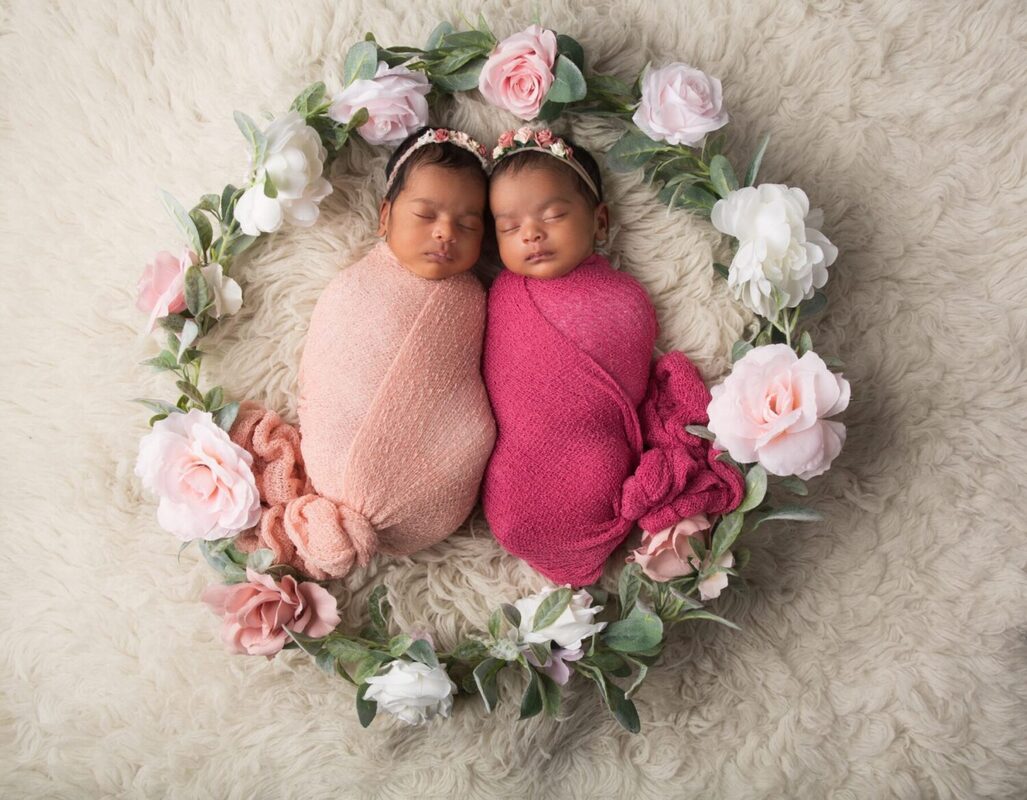
Welcoming a new baby is an exciting milestone—but for older siblings, it can be a mix of curiosity, excitement, confusion, and even jealousy. While your heart grows to accommodate another child, your firstborn (or older kids) may be trying to understand where they now fit in this changing family dynamic. Preparing siblings for the arrival of a new baby is essential in helping them feel included, secure, and loved.
Here’s how to help siblings transition smoothly into their new role: 1. Start the Conversation Early- Children thrive on routine and predictability. As soon as you’re comfortable sharing the news, begin age-appropriate conversations about the baby.
2. Involve Them in the Pregnancy- Giving children a role in the baby’s preparation helps them feel included and valued.
3. Validate Their Feelings- Not every child will be thrilled right away and that’s okay. They might feel anxious about losing attention or having to share their parents.
4. Read Together- Books can be powerful tools for helping younger kids understand what to expect. A few favorites include:
These stories normalize sibling experiences and create space for questions. 5. Practice Baby Care with Them- Role play can make the abstract idea of a baby more tangible.
6. Plan for Their Care During Labor- Talk about what will happen when it’s time for the baby to be born. Let them know:
This preparation helps reduce uncertainty and fear. 7. Make the First Meeting Special- The first impression matters. Plan the sibling introduction thoughtfully:
8. Give Them a Job- Assign a special “big sibling” job, like being the diaper fetcher, lullaby singer, or book reader. This gives them purpose and pride in their new role. 9. Schedule One-on-One Time- After the baby arrives, it’s easy for the older child to feel overlooked. Carve out intentional one-on-one time with them, even just 10 minutes a day, to remind them they’re still a priority. 10. Be Patient with Regressions- Your potty-trained preschooler might suddenly have accidents. Your independent child may become clingy. These are normal responses to a big life change. Offer reassurance and patience as they adjust. 11. Other Considerations- Speak with your older children about their birth. Allow them to ask questions and review your birth plan with them. You may also want to schedule maternity or newborn photos and allow them to celebrate their new role as a big sister/brother. When preparing for baby's arrival, you can have some fun in the kitchen. Let your children pick out some recipes for freezer meals and prepare them together. Lastly, plan a trip to take as a family before the new baby is born. Bringing a new baby into the family is a journey for everyone—not just parents. With preparation, empathy, and love, older siblings can feel secure and excited in their new role. Remember: the bond between siblings is one of the most lasting and meaningful relationships they will have. Your guidance helps lay the foundation for that connection to grow. As parents—especially as moms—there's a lot of talk about self-care. But what does it really mean? Self-care is a deliberate and self-initiated practice that helps regulate our physical, emotional, and mental well-being. In today’s fast-paced world, filled with constant demands and endless responsibilities, taking time to care for ourselves isn’t a luxury—it’s essential.
Did you know that self-care aligns with preventive medicine? When you prioritize your own health and wellness, you’re not just improving your mood or energy—you’re actively investing in your long-term health and resilience. It’s like putting on your own oxygen mask first so you can better care for those who depend on you. The Hardest Part? Making Time for It. Let’s be honest: making time for self-care can feel like an impossible task when you're managing a household, working, parenting, and trying to be everything for everyone. But here’s the truth—if you don’t make time, time won’t make itself. I recommend planning ahead and even blocking time off in your calendar—just like you would for a meeting or your child’s soccer game. Consider it an appointment with yourself that you deserve to keep. Tips for Creating a Manageable Self-Care Routine
Mom, it’s okay to put yourself first every once in a while. You give so much of yourself to your family, and in order to continue doing that with love and energy, you must refill your own cup. Self-care isn’t selfish, it’s necessary. Be in the moment, listen to what your body and mind are telling you, and honor your needs. You are worth it. Pregnancy is an exciting journey, filled with anticipation and change—including your wardrobe. As your body transforms to support new life, so does your need for comfort, flexibility, and style. Knowing when and how to transition your clothing can make all the difference in how confident and comfortable you feel throughout your pregnancy. Whether you’re a first-time mom or a seasoned pro, here’s a guide to navigating maternity fashion with ease and style. When to Transition Your Wardrobe There’s no one-size-fits-all timeline for switching to maternity wear, but most women start to notice changes in their bodies during the first trimester. However, the need to change your wardrobe typically starts between weeks 12 and 16. Signs It’s Time to Transition:
Tip: Don’t wait until you’re bursting at the seams. Transitioning gradually makes the process more manageable and enjoyable. How to Transition Your Wardrobe
1. Start with Basics Begin with the essentials you wear most often. These staples will serve as the foundation of your maternity wardrobe:
Look for pieces labeled “maternity,” but also consider regular clothing with stretch or forgiving cuts—think empire-waist dresses, tunics, or oversized button-downs. 2. Invest in Versatile Pieces Choose items that grow with you and can be styled multiple ways:
You don’t need to overhaul your entire closet, Just blend maternity-friendly pieces into your existing style. 3. Prioritize Comfort and Support Pregnancy comes with physical changes like backaches, swelling, and tenderness. Choose clothes that prioritize:
Comfort doesn't mean compromising on style—it just means finding smarter options that support your body. 4. Plan for Each Trimester First Trimester: Use what you have, layering with loose tops and stretchy bottoms. If anything, you might want to consider purchasing a few key pieces to help ease your transition, like a belly band or stretchy pants that can accommodate your growing belly. Second Trimester: Look for elasticized waistbands, stretchy fabrics, and tops with plenty of room in the bust and belly. You don’t need to overhaul your entire closet right away, Invest in a few basics like maternity jeans, leggings, and tops that are easy to pair with your pre-pregnancy items and a few key dresses. Third Trimester: At this point, it’s a good idea to invest in a few more maternity essentials such as dresses, bras, and outerwear that will keep you cozy and stylish during the final months of pregnancy. Focus on comfort and fit. You might size up in some items or opt for more breathable, flowy silhouettes. Bonus Tips:
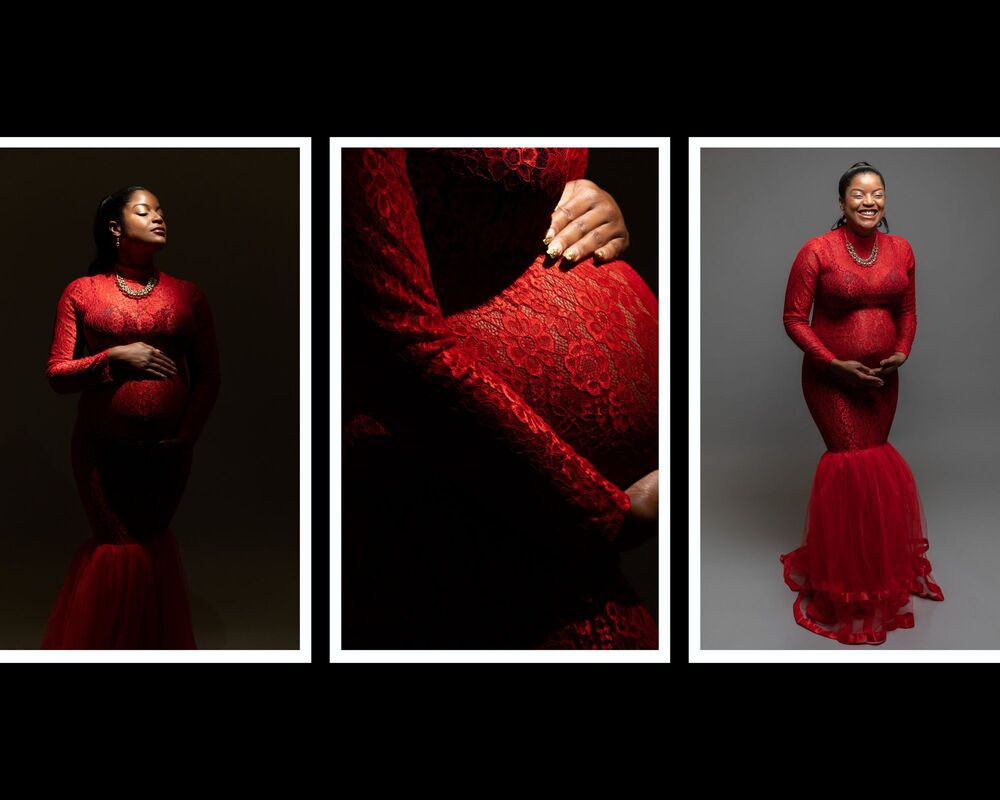
Your maternity wardrobe is about more than just clothes—it’s about feeling like yourself during a time of major change. With the right pieces and a little planning, you can feel stylish, comfortable, and confident throughout your pregnancy. Embrace the bump, wear what feels good, and remember: fashion should always support the stage of life you're in. Mother’s Day is more than just a holiday—it’s a heartfelt moment to honor the women who have shaped us with their love, strength, and endless care. Whether it’s your mom, a mother figure, or the mother of your children, finding the right gift can be a beautiful way to say, “I appreciate everything you do.” For new moms or moms who are expecting, you will want to make her first Mother's Day one to remember. Here are eight thoughtful gifts that go beyond the expected, each one tailored to help a mom or mom-to be feel loved, seen, and celebrated. 1. Brunch or Dinner – A Shared Experience: Let’s face it—moms are often the ones cooking and planning meals. Sometimes, the best gift for your mom isn’t something you wrap, it’s quality time. Treat your mom to a delicious brunch or dinner at her favorite spot (or cook her something special at home). It’s a simple gesture that says, “Let’s slow down and just enjoy each other’s company.” Pair it with a handwritten note, and you've got a moment she won’t forget. And if you're cooking, don't forget to take care of the cleanup too.
2. LEGO Flowers – A Bloom That Lasts Forever: Fresh flowers are great, but LEGO flowers add a fun and creative twist. These intricate, buildable sets are not only beautiful to display but also offer a relaxing activity she can enjoy on her own or with loved ones. This gift is perfect for the mom who enjoys a creative challenge and a quirky keepsake she can admire all year long. Plus, they never wilt. This is definitely one of my most favorite mother's day gifts from my son. 3. Self-Care Gift Card – Her Time, Her Way: Whether it’s a massage, a facial, a float session class, or a spa day, a gift card for self-care is a way of saying: "You deserve to be taken care of too." Choose a local spa or wellness center, or even a digital gift card for meditation apps, fitness classes, or online therapy. It’s more than a treat, it’s a gentle reminder that her wellbeing matters too. Let her choose how and when to relax and take care of her needs, with no guilt and no interruptions. 4. A Beautiful Plant – A Living Reminder: Plants make great gifts for their aesthetic and therapeutic value. Choose something easy to care for like a pothos, peace lily, or succulent. Every time she waters it, she’ll be reminded of your thoughtfulness. It's perfect for the mom with a green thumb—or even one who just appreciates a touch of greenery indoors. Bonus points if it comes in a cute pot! 5. Household Help – A Break She Didn't Have to Ask For: One of the most practical, appreciated and underrated gifts is help around the house. This could mean hiring a cleaning service, offering to tackle a to-do list she’s been putting off, or simply giving her a day where she doesn’t have to do a thing. You may even consider gifting a laundry service, lawn care, or even a meal delivery subscription. Lightening her load—even for a little while—shows that you really get what she needs: less stress, more space to breathe. It’s the gift of time and peace of mind. 6. Jewelry – A Touch of Elegance: You can’t go wrong with a timeless piece of jewelry. And it doesn’t have to be extravagant either. A simple necklace, a charm bracelet, or birthstone earrings can all carry deep meaning. Add a personal engraving to make it even more special. 7. Photos – Memories That Last: Collect your favorite photos and create something beautiful: a framed picture, a photo book, or even a digital slideshow set to music. You could even surprise her with a family photoshoot. Capturing and celebrating these memories is a gift she will treasure forever. 8. Something for Later – The Gift That Keeps Giving: Surprise her today a gift for tomorrow. Maybe it’s a ticket to a future concert, a weekend getaway, or even a subscription box she’ll get every month. Giving her something to look forward to is a reminder that her happiness matters every day of the year. Bonus: If you really want to go above and beyond for a mom in your life, you may consider gifting her something that she absolutely needs. Non-traditional gifts like car maintenance or detailing, planning a home improvement project she has had her heart set on or paying for a month of childcare would be a gesture that would surely be appreciated and not soon forgotten. The best gifts aren’t necessarily expensive or extravagant—they’re about intention. Whether it’s a shared meal, a small token of love, or a few quiet moments of rest, what moms really want is to feel seen, appreciated, and cherished. Any of these gifts will do just that. |
About the AuthorKelly Collins Archives
March 2026
Categories
All
|
RSS Feed